
The cultural significance of casinos in society today
The cultural significance of casinos in society today
Historical Perspective of Casinos
Casinos have a rich history that dates back centuries, evolving from simple gambling houses to lavish entertainment complexes. Originally established in the early 17th century in Italy, these venues served as social hubs where individuals gathered to engage in games of chance. The establishment of casinos in Europe was a reflection of society’s relationship with risk and reward, paving the way for modern gambling culture that encompasses a variety of activities beyond mere games. If you’re looking to start your own gaming journey, the Legionbet Casino Registration process is designed to be straightforward and user-friendly.
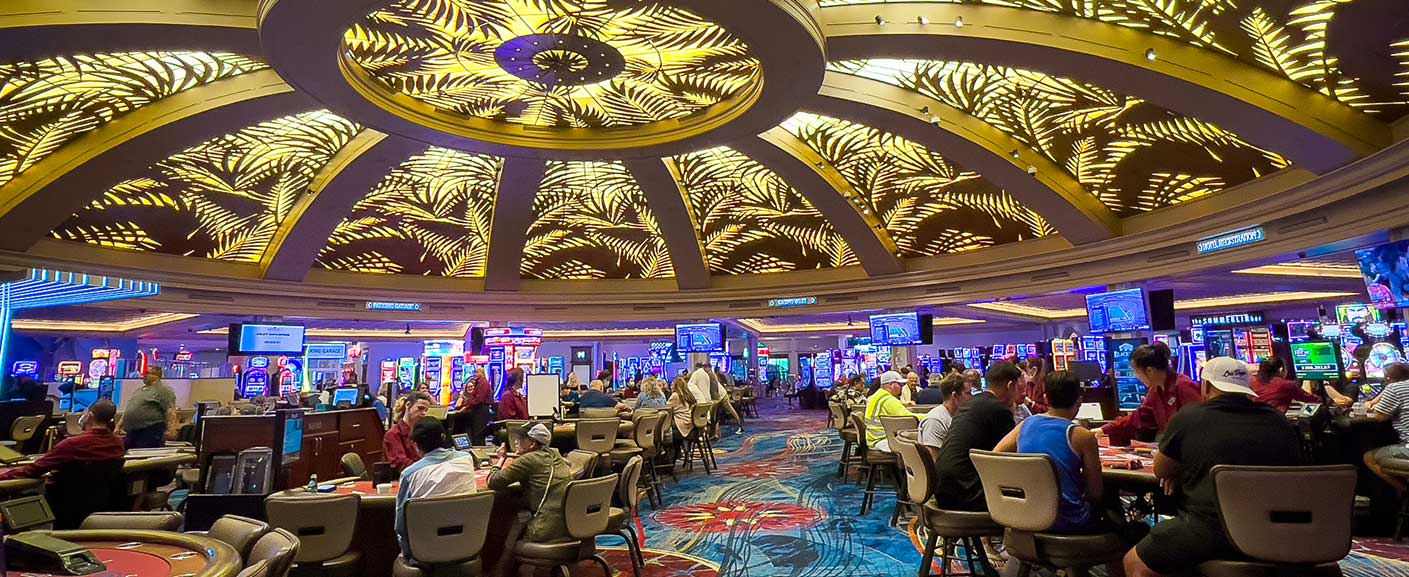
Throughout history, casinos have mirrored societal changes, adapting to cultural norms and economic conditions. In the United States, the rise of casinos began in the early 20th century, particularly in Nevada, which transformed Las Vegas into a symbol of entertainment and excess. This development not only influenced tourism but also contributed significantly to the local and national economy, demonstrating how casinos can shape and define societal landscapes.
Moreover, casinos have often been associated with larger movements in society, from the prohibition era’s speakeasies to the glamorous portrayal of gambling in films and media. This narrative intertwines with social acceptance of gambling, as cultural attitudes shift towards viewing it as an integral part of leisure and entertainment. As such, casinos hold a significant place in the historical context of societal development.
Economic Impact of Casinos
The economic significance of casinos is profound, acting as major contributors to both local and national economies. They provide employment opportunities, generating thousands of jobs ranging from hospitality to gaming management. The financial influx from tourists visiting casinos stimulates surrounding businesses, creating a ripple effect that extends beyond the gaming floor. This economic model has made casinos vital to the growth of cities like Las Vegas and Atlantic City, which rely heavily on tourism.
Furthermore, casinos contribute to government revenues through taxation, which can be allocated to public services such as education and infrastructure. In many regions, the revenue generated from casinos is instrumental in funding local initiatives and community programs. This financial interplay highlights the dual role of casinos as both entertainment venues and significant economic engines in society.
In addition to direct financial benefits, casinos also foster innovation and entrepreneurship. The competitive landscape of the gaming industry encourages investments in technology and customer experience, leading to advancements in gaming systems and online platforms. This economic dynamism illustrates how casinos not only thrive on individual spending but also enhance broader economic growth and technological progress.
Social and Cultural Dynamics
Casinos serve as microcosms of society, showcasing a diverse blend of cultures and social interactions. They offer a unique space where individuals from various backgrounds converge, breaking down social barriers. The atmosphere of excitement and anticipation fosters community and camaraderie among players, creating shared experiences that transcend personal differences. In this sense, casinos act as social equalizers, drawing in people regardless of their socioeconomic status.
Moreover, the cultural significance of casinos can be seen in their role in shaping entertainment trends. The integration of live performances, dining experiences, and luxury accommodations transforms casinos into multifaceted entertainment hubs. This evolution reflects society’s growing demand for holistic experiences, merging traditional gaming with broader forms of leisure. The emphasis on entertainment beyond gambling highlights how casinos adapt to changing consumer preferences while remaining culturally relevant.
As cultural symbols, casinos also influence popular culture, appearing in films, music, and literature. These representations shape public perceptions of gambling, often romanticizing the thrill and allure associated with casinos. This cultural narrative contributes to the normalization of gambling within society, reflecting changing attitudes toward risk and indulgence. As a result, casinos continue to hold significant cultural weight in contemporary society.
Responsible Gaming and Social Responsibility
The growing acceptance of gambling has prompted discussions surrounding responsible gaming and the social responsibilities of casinos. As recreational gambling becomes more prevalent, the potential for addiction and financial distress increases. In response, many casinos have implemented responsible gaming initiatives, providing resources and support for those at risk of problem gambling. These measures include self-exclusion programs and educational campaigns aimed at promoting safe gaming practices.
Furthermore, casinos are increasingly aware of their role within the community and strive to maintain a positive social impact. By engaging in charitable initiatives and local partnerships, they contribute to community development and social welfare. This commitment to social responsibility not only enhances their public image but also reinforces the idea that casinos can be catalysts for positive change within society.
As the conversation around gambling evolves, casinos are also adapting their policies to prioritize player well-being. This includes leveraging technology to monitor gaming behaviors and offering support resources tailored to individual needs. By embracing a proactive approach to responsible gaming, casinos demonstrate their commitment to fostering a sustainable gambling environment, balancing entertainment with ethical considerations.

Online Casinos and Their Role in Modern Society
The rise of online casinos has transformed the landscape of gambling, making it more accessible than ever. With the advent of technology, players can now engage in gaming activities from the comfort of their homes, leading to a significant shift in how society interacts with gambling. This convenience has attracted a new demographic of players, reshaping the traditional casino experience and expanding the reach of gambling culture.
Online casinos also contribute to cultural dynamics by offering a diverse array of games and experiences tailored to different tastes. This accessibility fosters a sense of community among players across geographical boundaries, as forums and social media platforms facilitate discussions and interactions. The ability to share experiences and strategies in real time enhances the social aspect of gambling, making online casinos an integral part of contemporary society.
Moreover, the digital landscape has prompted casinos to innovate continuously, incorporating elements such as virtual reality and gamification to enhance user engagement. This evolution not only caters to the preferences of modern consumers but also reflects the broader technological advancements shaping society. The interplay between traditional and online casinos illustrates the adaptability of the gambling industry in meeting the demands of a changing world.


Leave a Reply